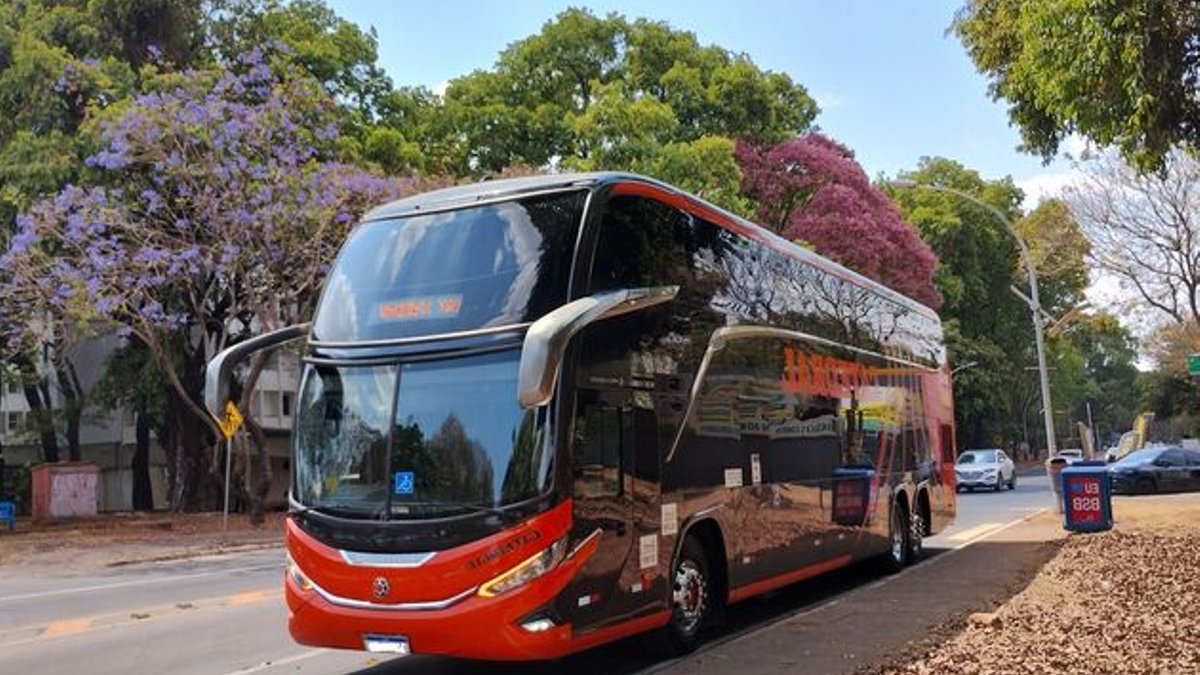
Chile’s Senate Transportation Committee has begun reviewing a bill that would require public transit companies to regularly test their drivers for alcohol and drug use. The proposal, known as the “Ley Alberto” (Boletín 16872-15), amends the country’s Traffic Law to make periodic testing mandatory for operators of public and private passenger transport services.
A tragedy that sparked a legislative push
The initiative carries the name of Mauro Alberto Gómez Estay, a 14-year-old student at Liceo Eduardo de la Barra who died in May 2024 after being struck by a bus driver under the influence of drugs. That case, along with other high-profile incidents, pushed lawmakers to act.
Related: Europa busca talento pero falla en integrarlo
Senator Camila Flores, who chairs the Transportation Committee, said the goal is straightforward: permanent checkpoints at bus terminals. “We have had lamentable cases of young people, children, and persons who have lost their lives precisely because those who were driving were under the effects of alcohol or drugs,” she said during the session. Flores added that the committee wants to give daily transit users more security. “Caring for the lives of our compatriots is indispensable, and that’s why we want to move forward with this initiative,” she said.
What the bill would require
Under the proposed rules, transport companies would need to administer breathalyzer and narcotics tests to drivers at least twice a year, with a reasonable gap between each exam. The firms would foot the bill for the tests and keep official records, reporting results to sector authorities every six months. The legislation also calls for testing equipment to be available at terminal facilities, so checks can happen on-site rather than requiring drivers to go elsewhere. The measure targets the larger public transport operators, though the committee is hearing suggestions about expanding its reach.
The discussion is still in its early stages, and the numbers being cited are sobering. According to Carolina Figueroa, president of the Fundación Emilia foundation, data from the first semester of 2026 showed that 27.2% of 1,093 controls came back positive — meaning roughly one in four drivers tested was under the influence of alcohol or drugs. That statistic, presented during the committee hearing, gives a sense of the scale of the problem regulators are trying to address.
Related: Legal Consequences of Improperly Loading A Truck
Pushback and proposed tweaks
Not everyone is fully on board with the draft as written. Representatives from Fenabus, a bus industry group, suggested that sanctions should fall on the employer rather than the company itself, among other modifications. Figueroa also raised ideas about including cargo transport drivers in the testing requirements, adjusting the fines so they increase with repeat offenses, and making sure the tests hold up legally and technically.
The committee plans to keep hearing from experts and organizations before deciding on changes. That means the final version of the bill could look different from what’s currently on the table, particularly on questions like who gets tested, how often, and who pays the penalty when a test comes back positive. One thing seems likely to survive the review process: the core requirement that transit companies take responsibility for checking their drivers. The debate now is less about whether testing should happen and more about the details of how it will work in practice. The committee’s next steps will determine whether the law, once enacted, actually changes behavior on the streets or just adds paperwork for the companies involved.


