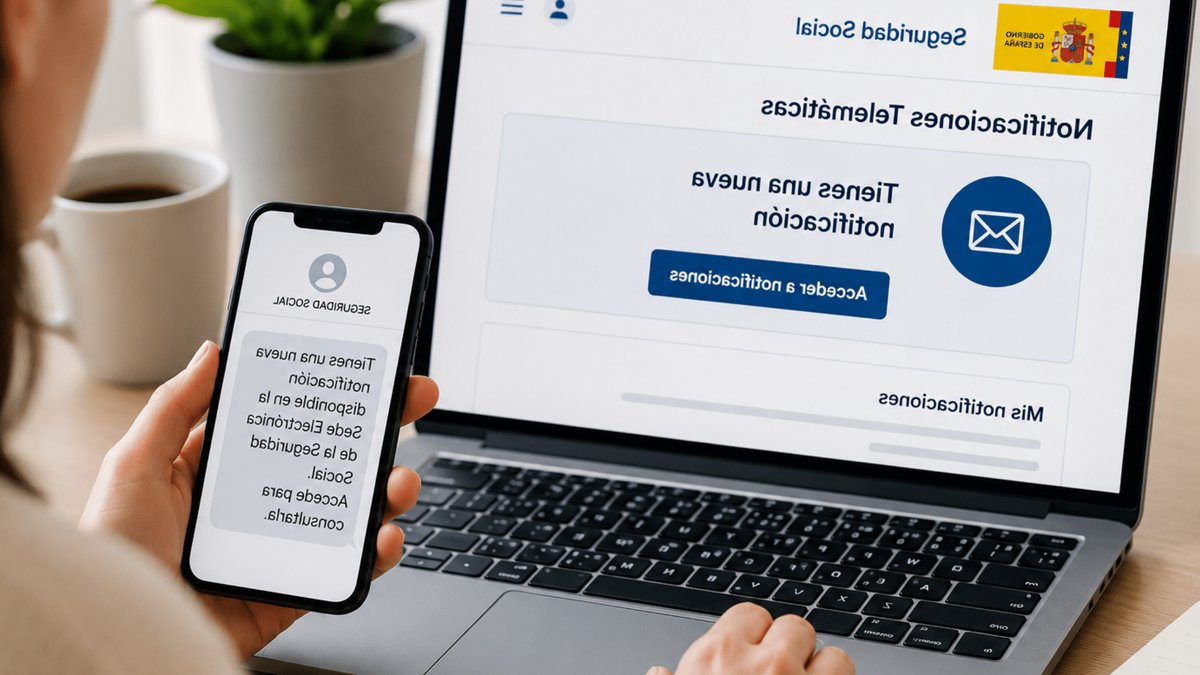
The Spanish Social Security system is changing how it notifies people about medical leaves, moving away from physical letters and toward electronic messages starting September 1.
Electronic Notifications for Sick Leave
The Ministry of Labour and Social Economy has issued Order ISM/541/2026, which takes effect on September 1. The new rule mandates that notifications regarding temporary disability must be sent electronically. The goal is to reduce reliance on postal mail, though exceptions for specific cases will still apply according to the order.
This shift also covers notifications related to permanent incapacity and non-incapacitating permanent injuries. To receive these digital alerts, users must register for an electronic notification system managed by Social Security. Registration needs to happen before the September deadline to ensure no notifications are missed.
Related: Colombia: Indigenous culture vanishes due to forced sedentarization
Officials recommend that citizens verify their contact details are current in the Social Security system. The organization will primarily send alerts via SMS or email, which contain a link to the official site for downloading the document. The systems available for access include Cl@ve, the electronic DNI, or other digital certificates such as those from the Treasury.
Once a notification is placed at the user’s disposal, they have a 10-day period to accept it. If no action is taken within this window, the notification is considered rejected, and the administrative process continues regardless. This timeline begins the day after the system makes the document available.
Recent Changes to IT Management
Several other reforms have altered how temporary disability is managed. A significant change occurred on April 1, 2023, when medical reports for sickness leave—covering the initial report, confirmation, and discharge—began being sent electronically from the Social Security Management Service directly to employers. This removes the requirement for employees to physically deliver a copy of the report, which they can now check in their regional health folder.
Another modification concerns the payment of benefits. Previously, the employer might pay the employee directly, but recent changes shift this responsibility.
Related: Feasibility Plan Required for Restructuring
The third major change involves the 365-day review. Following Royal Legislative Decree 2/2023, the mandatory medical review to decide on extending a leave has been eliminated. Instead, the IT situation automatically extends until a new decision is made.
Regarding the duration of the leave, the situation becomes more complex after 545 days. At this point, the employer stops paying social security contributions, but the employment relationship remains suspended rather than terminated. The worker must then request direct payment from the insurer, which typically amounts to 75% of the regulatory base. The specific supplement provided by the employer usually has a cap of 18 months.
The complexity of these rules highlights how difficult it is to maintain a balance between administrative efficiency and worker rights. While the digital transition speeds up communication, it creates hurdles for those who lack reliable internet access or technical support.


