
Colombia tax revenue to fund disaster reconstruction
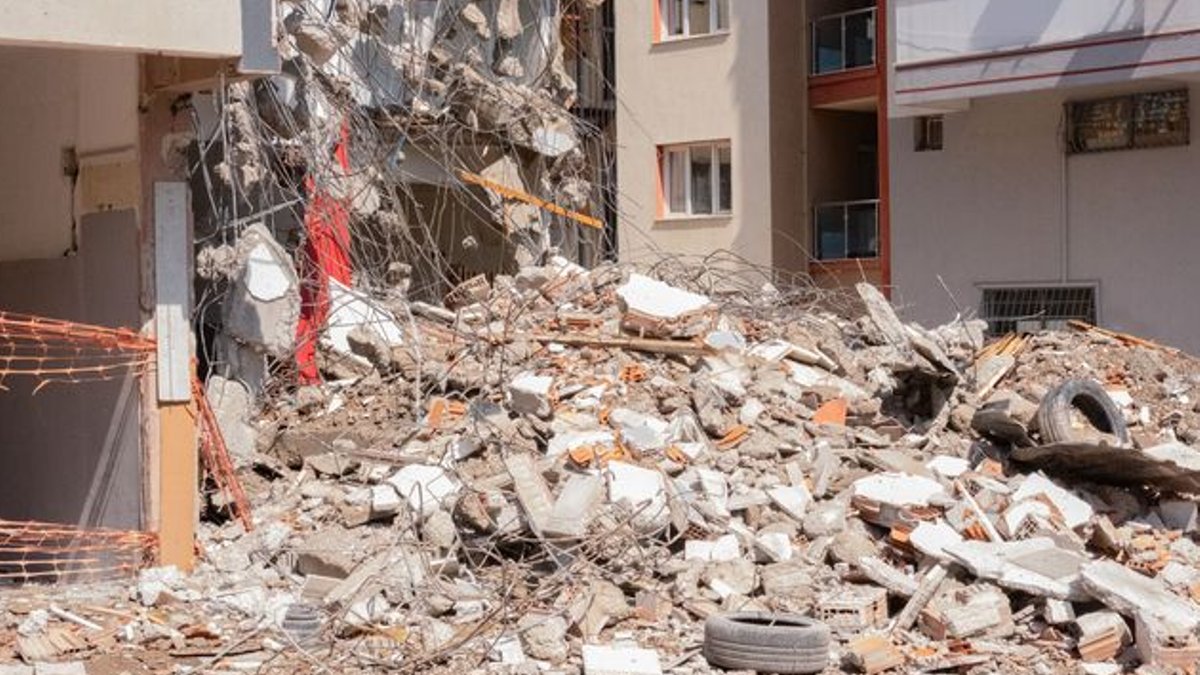
Colombia’s Senate is considering a bill that would let companies direct up to 50 % of their income tax toward rebuilding towns hit by earthquakes, floods or other disasters, extending the existing Obras por Impuestos framework.
Senator Barreto pushes to broaden tax‑linked rebuilding tool
Conservative Senator Santiago Barreto filed the proposal, arguing that the current system, which applies only to areas labeled PDTE or ZOMAC, should also cover municipalities formally declared in a state of emergency. He cited the August 10 earthquake as an example of a disaster that could benefit from the expanded mechanism. He stated that the idea is to “expand the Obras por Impuestos mechanism, which today only applies to PDTE municipalities and ZOMAC zones, to attend to and rebuild the municipalities most affected by the August 10 earthquake.” The measure would allow private firms to satisfy up to half of their tax liability by financing reconstruction projects instead of paying the amount to the DIAN.
Related: How Social Media Can Impact Your Criminal Case in Colorado — And What Not to Post
How the expanded mechanism would work
Under the proposal, any company that owes income tax could allocate up to half of that liability to projects approved by the government. The law would define eligible initiatives as those that aid in reconstruction, rehabilitation, mitigation or recovery of disaster‑hit areas, following existing risk‑management regulations.
Potential projects span a range of public‑service needs. The proposal lists housing, health facilities, schools, basic sanitation, environmental restoration, and general infrastructure as priority sectors. It also mentions temporary accommodation centers and other works required during emergency response.
Related: Connecticut Workplace Of The Attorney Common
In practice, a construction firm might build a new clinic in a flood‑stricken town, counting the expense toward its tax bill. A water‑utility could install sanitation systems, reducing the amount it owes to the tax authority.
The legislation clarifies that the mechanism can be used in any municipality, district or department officially declared a disaster zone, not just those already covered by PDTE or ZOMAC designations. This broader eligibility could open private‑sector financing to regions that have historically received limited state investment.
Related: Laws Update Service
Implementation would still require compliance with existing norms. The law says the UNGRD or designated fiduciary bodies must verify that projects meet the stipulated criteria and that companies receive the appropriate tax credit. The process aims to keep oversight transparent while encouraging faster deployment of resources.